Skip to content
NSCEnterprises
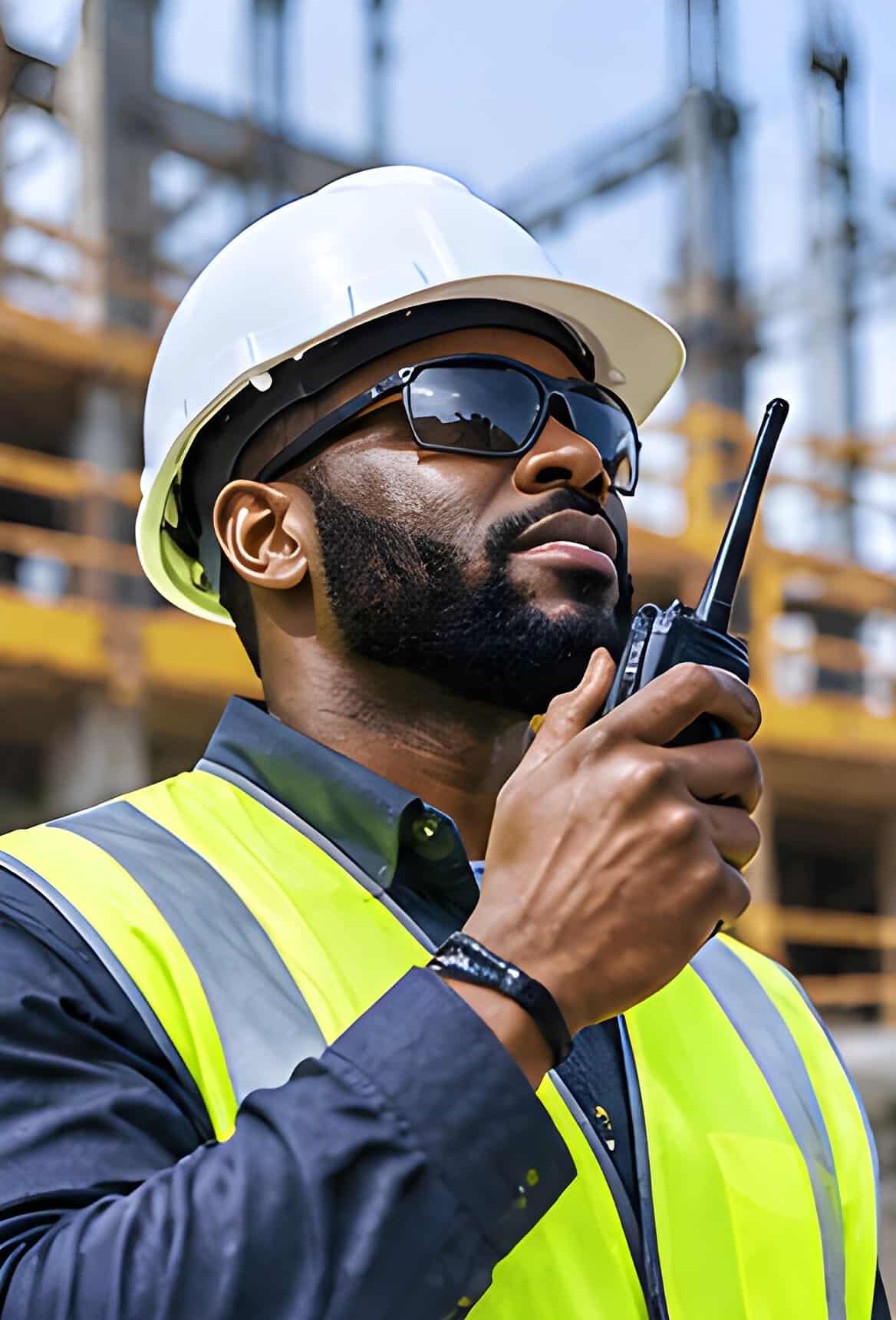
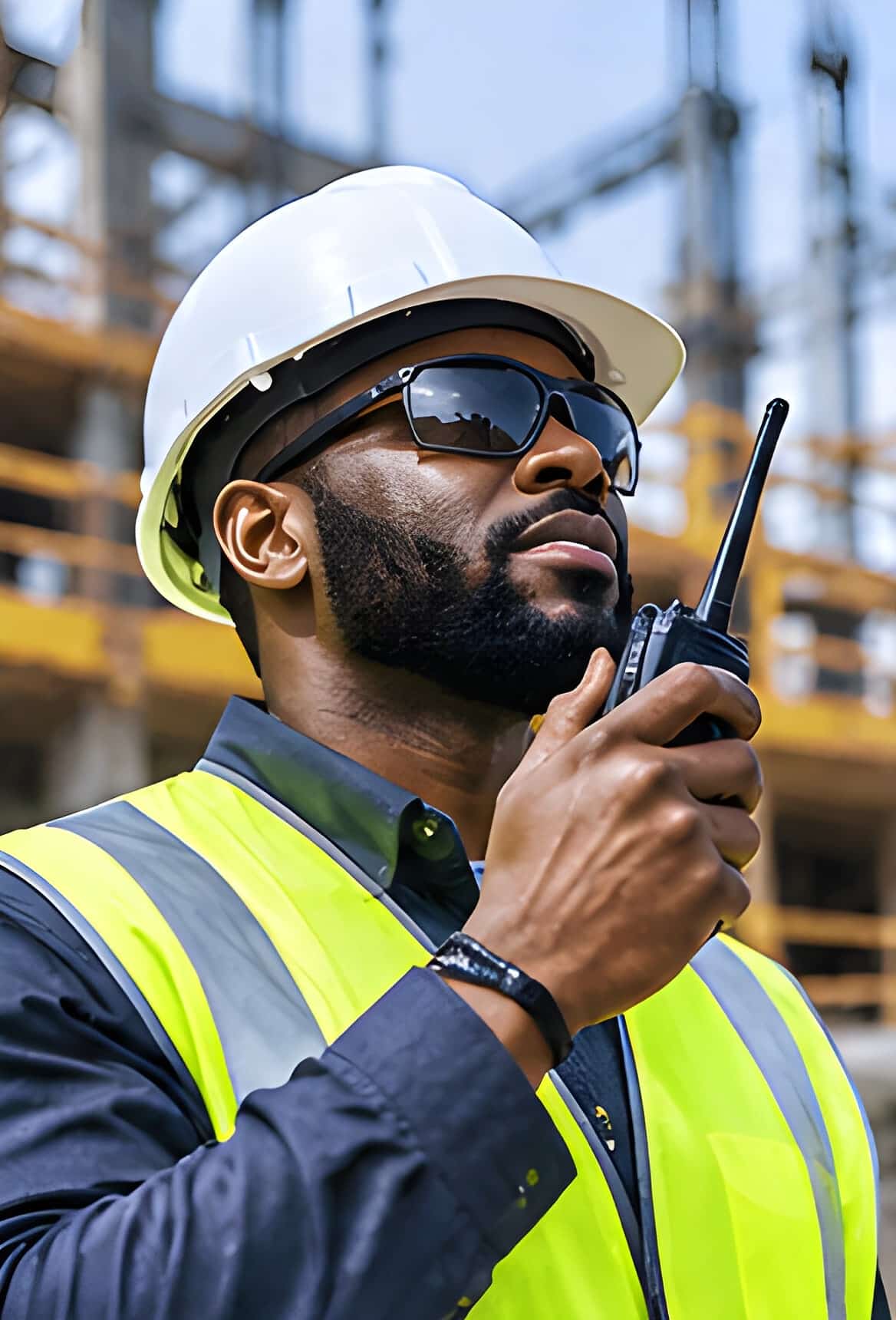
Safety observer in a white hard hat and sunglasses speaking into a two-way radio on a construction site

Service 04

High-Risk Work Monitoring

High-risk work monitoring assigns an observer to watch the tasks with the most consequence: fall protection, lifts and MEWPs, overhead work, hot work, material handling and access control. The observer reports against the controls your program requires and escalates imminent hazards immediately to your designated representatives. Stop-work decisions stay with your program.

Some tasks carry more consequence than others. NSC Enterprises observers can be assigned to watch high-risk activities closely and report against the controls your program requires for each one.

In detail

What the observer watches, task by task

Each activity is observed against the controls your program and the applicable OSHA standards require. The notes below summarize the federal rules most often in play; your site plan and contract may go further.
01

Fall protection

Federal OSHA requires protection for workers on a walking or working surface with an unprotected side or edge 6 feet or more above a lower level, by guardrails, safety nets or personal fall arrest.[1]

  • Guardrails and covers at openings and leading edges
  • Tie-off and anchorage where your program requires it
  • Protection restored after it is removed for a lift or delivery
02

Lifts & MEWPs

For boom-type aerial lifts, OSHA requires lift controls tested each day before use, operation by authorized persons only, and workers in the basket tied off to the boom or basket.[2]

  • Pre-use inspections documented
  • Travel paths, ground conditions and floor openings
  • Overhead clearances around tray, duct and lighting
03

Overhead work

Work above other crews moves drop zones through the day, and they drift as the work moves.

  • Drop zones barricaded and kept clear
  • Tools and materials secured when working above others
  • Crews below informed of work overhead
04

Hot work

OSHA requires fire extinguishing equipment immediately available, and additional personnel to guard against fire during and after the work when normal precautions are not enough.[3]

  • Permit in place at the work
  • Fire watch posted where the permit requires one
  • Combustibles moved or protected
05

Material handling

Deliveries and staging put loads, equipment and people in the same corridors.

  • Delivery routes and staging areas
  • Rigging practices and pinch points
  • Load paths clear of other crews
06

Access control

Boundaries only work if they stay in place. OSHA prohibits work close enough to contact an electric power circuit unless the worker is protected by de-energizing and grounding it or by effective guarding.[4]

  • Sign-in and restricted-area boundaries
  • Barriers at electrical rooms and energized equipment
  • Barriers moved for deliveries put back

Sources

  1. [1]OSHA 29 CFR 1926.501, Duty to have fall protection. 1926.501(b)(1): an unprotected side or edge 6 feet or more above a lower level must be protected by guardrail systems, safety net systems or personal fall arrest systems. 1926.501(b)(4)(ii): employees must be protected from tripping in or stepping into or through holes by covers.
  2. [2]OSHA 29 CFR 1926.453, Aerial lifts. 1926.453(b)(2): lift controls tested each day before use; only authorized persons operate an aerial lift; workers in the basket tied off to the boom or basket.
  3. [3]OSHA 29 CFR 1926.352, Fire prevention (welding and cutting). 1926.352(d)-(e): suitable fire extinguishing equipment immediately available; additional personnel assigned to guard against fire during and after the work when normal precautions are not sufficient.
  4. [4]OSHA 29 CFR 1926.416, Electrical: general requirements. 1926.416(a)(1): no employee may work close enough to contact an electric power circuit unless protected by de-energizing and grounding it or guarding it effectively.

Sources read 2026-10-30. Regulations change; check the current text and your contract before relying on any summary here. This page is general information, not legal advice.

FAQ

High-Risk Work Monitoring: common questions

Can an NSC Enterprises observer act as our fire watch?

Only if your program and hot-work permit assign that role and the observer is instructed as the permit requires. By default the observer monitors whether the fire watch, extinguishers and permit controls are in place and reports what they see.

Does the observer have stop-work authority?

Stop-work decisions follow your safety program and your authority. Observers escalate imminent hazards immediately to your designated representatives through the escalation path agreed in writing before mobilization.

Can coverage be limited to high-risk tasks?

Yes. Monitoring can be booked for specific activities or phases, such as steel and roof work, lift-heavy fit-out or a hot-work window, on a scheduled, shift-based or project-based basis.

Request coverage

Tell us about your project.

Share the location, project type, start date and the coverage you need. We will follow up to confirm scope, reporting requirements and schedule.